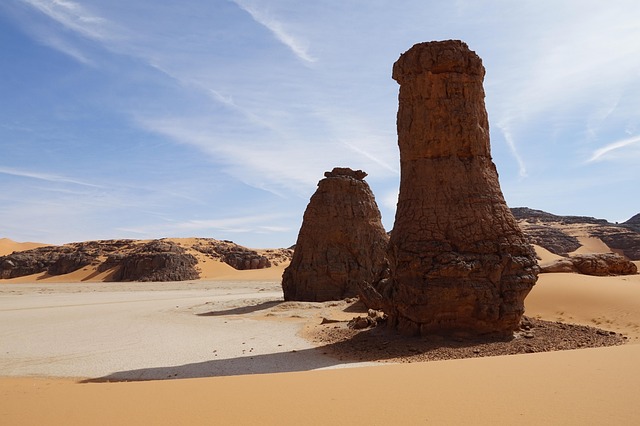
Mesa, Arizona offers a unique blend of dramatic landscapes and diverse botanical wonders for nature enthusiasts. Notable attractions include state parks, preserves, and historic sites showcasing ecological diversity. Photographers find endless opportunities in the Superstition Mountains, desert flora, and 200+ miles of scenic trails in the Mesa Trail System. The city prioritizes environmental conservation through initiatives like the Mesa Desert Museum and protected historic sites. Exploring what to see in mesa naturally provides a chance to witness the contrast between history and nature, making it a standout feature for desert photography in Arizona.
The allure of desert landscapes inspires travelers and photographers worldwide to seek unique natural wonders. Among these, the vibrant flora and fauna of Mesa, Arizona, offer a captivating spectacle. However, capturing the essence of its diverse ecosystems can be challenging for amateur photographers seeking memorable shots. This article provides an authoritative guide, delving into the best locations within Mesa where nature’s artistry is on full display. We’ll explore not just iconic landmarks but also lesser-known spots that highlight the region’s rich biodiversity, ensuring you return with a trove of stunning desert botanical photographs.
- Exploring Mesa's Unique Desert Botanical Wonders
- Unveiling Hidden Gems in Nature's Backyard
- Capturing StunningDesert Flower Photography
- Understanding Native Plants' Role in the Ecosystem
- Best Times and Locations for Desert Scenic Shots
- Ethical Considerations for Photographing Wildflowers
Exploring Mesa's Unique Desert Botanical Wonders
Mesa, Arizona, offers a unique blend of dramatic landscapes and diverse botanical wonders that make it an ideal destination for nature enthusiasts seeking to explore what to see in mesa. Beyond its reputation as a gateway to the Grand Canyon and other iconic landmarks, Mesa boasts a rich array of natural attractions, including state parks, preserves, and historic sites that showcase the region’s ecological diversity. One of the most striking features is the stark contrast between the desert floor and the towering mountains that surround it, creating breathtaking backdrops for photography enthusiasts.
The city’s commitment to preserving its natural beauty is evident in numerous initiatives aimed at promoting sustainable tourism and protecting endangered species. For instance, the Mesa Desert Museum provides a deep dive into the region’s ecological history and offers insights into the adaptations of native plants and animals. Similarly, the Atlanta Historic Sites scattered throughout the area offer a glimpse into Mesa’s past, from its origins as a small farming community to its rapid growth as a major metropolitan hub. These sites not only enrich the visitor experience but also highlight the city’s ongoing efforts to balance development with environmental conservation.
Photographers will find endless opportunities to capture stunning images of what to see in mesa. The Superstition Mountains, with their towering peaks and mysterious mineral formations, provide a dramatic backdrop for landscapes that seem plucked from a fantasy novel. Similarly, the desert flora, such as saguaro cacti, agave, and yucca, offer intricate textures and vibrant colors that can be photographed both in isolation or against the rugged terrain. For those looking to explore more remote areas, the Mesa Trail System offers over 200 miles of scenic trails that wind through canyons, alongside washes, and up onto peaks, providing countless photo ops that showcase the region’s diverse ecosystems.
In addition to these natural wonders, Mesa’s vibrant art scene adds another layer to its allure. Local galleries and public art installations dot the city, offering creative perspectives on the landscape and the unique cultural heritage of the region. Incorporating these artistic elements into your photographs can produce truly remarkable images that capture both the essence of what to see in mesa and the spirit of the community that calls it home. By combining natural beauty, historical context, and artistic inspiration, Mesa provides an unparalleled destination for photographers seeking to create lasting visual memories.
Unveiling Hidden Gems in Nature's Backyard
Unveiling Hidden Gems in Nature’s Backyard
The vast expanses of desert landscapes offer a unique opportunity to witness some of nature’s most breathtaking and often overlooked wonders. From majestic mesas to vibrant wildflowers, these ecosystems are teeming with hidden gems waiting to be discovered. What to see in mesa naturally is a question that captivates both seasoned hikers and casual explorers alike, as these diverse environments provide a wealth of photographic possibilities. One need not travel far from Atlanta’s historic sites—a gateway to the American South—to experience this natural treasure trove; numerous state parks within driving distance offer access to some of the most stunning desert botany in the country.
Among the myriad attractions, mesas stand out as iconic features that dominate the skyline and provide a canvas for an array of vibrant flora. These flat-topped hills, formed by geological processes over millions of years, are adorned with succulents, cacti, and other xerophytic plants adapted to harsh desert conditions. The diverse shapes and textures of these plants, coupled with the dramatic contrast between the rocky terrain and vibrant blooms, make for captivating photographs that transcend mere scenery. For photographers seeking a unique angle, the interplay of light and shadow on these natural structures offers endless creative opportunities, especially during sunrise or sunset when the golden hour illuminates the landscape.
Moreover, desert botanical photo ops extend beyond the iconic mesas to include a myriad of other elements. The delicate, yet resilient wildflowers that pop up after rainfall are a testament to the resilience of life in extreme environments. From vibrant yuccas to fragrant sagebrush, these plants create a colorful tapestry against the vast blue sky or rugged mountain backdrop. Atlanta’s proximity to such diverse ecosystems means that adventurers can easily incorporate these natural wonders into their itineraries, returning home with portfolios filled with images that capture both the beauty and resilience of nature’s hidden gems.
Capturing StunningDesert Flower Photography
The vast and rugged landscapes of the desert offer a unique canvas for photographers seeking to capture the essence of nature’s resilience. When it comes to stunning desert flower photography, Arizona’s Sonoran Desert is a treasure trove, boasting an array of vibrant flora that put on a spectacular show year-round. One of the best places to immerse yourself in this natural wonder is by exploring the mesa regions, where diverse ecosystems create breathtaking backdrops for your lens.
Mesa environments provide a unique microclimate, allowing for the growth of specialized plant species that thrive in these conditions. From the iconic saguaro cacti to delicate wildflowers like the desert marigold and creosote bush, these landscapes offer an ever-changing palette of colors and textures. The best time to capture these floral subjects is during the spring and fall when the light is soft and warm, enhancing the vivid hues of the blooms. Early morning or late afternoon are ideal times to visit mesa areas like those found in the Phoenix metropolitan region, ensuring you avoid the harsh midday sun that can create challenging lighting conditions for photography.
In addition to the natural beauty, historical sites dotting the desert landscape provide additional photo opportunities. Atlanta, a vibrant city nestled amidst the Sonoran Desert, boasts several historic locations that seamlessly blend with the arid surroundings. Capturing both the architecture and the surrounding flora can create compelling contrasts in your images. For instance, photographing the ancient petroglyphs near Sedona or the well-preserved historical buildings in downtown Phoenix against the backdrop of towering mesas offers a unique perspective on what to see in Arizona’s mesa naturally. This blend of history and natural splendor is a hallmark of desert photography, where time-honored sites meet the ever-changing beauty of the great outdoors.
Understanding Native Plants' Role in the Ecosystem
Native plants play a pivotal role in the ecological tapestry of any region, especially in arid environments like the mesas of the American Southwest. Understanding their significance is key to appreciating the breathtaking landscapes that draw visitors to such places as Atlanta’s historic sites and other natural wonders. These plants are not just visually stunning; they serve as vital habitats for local wildlife, contribute to soil stability, and preserve water resources – all while showcasing the unique beauty of the region.
In the mesas, where conditions can be harsh, native species have evolved remarkable adaptations to survive heat, drought, and rocky soils. Their deep root systems help prevent erosion, while their leaves often feature waxy coatings or spines that reduce water loss. This resilience ensures their persistence through extreme fluctuations in temperature and rainfall, making them essential contributors to the region’s biodiversity. Furthermore, many native plants are food sources for local insects, birds, and small mammals, creating a complex web of interdependence that sustains entire ecosystems.
When exploring what to see in Mesa, visitors can marvel at the vibrant array of cacti, succulents, and wildflowers that flourish naturally. These include species like the saguaro cactus, iconic in its tall, branching form, and various types of yucca, known for their spiky foliage. By appreciating these native plants, visitors not only enrich their understanding of the region’s natural history but also contribute to conservation efforts by choosing to purchase locally-sourced plants that support sustainable landscaping practices. This approach ensures the preservation of these unique ecosystems for future generations while enhancing Atlanta’s historic sites and other natural attractions with the authentic beauty of the Southwest.
Best Times and Locations for Desert Scenic Shots
The best times to capture the essence of a location are often overlooked, yet they can dramatically transform your photography. For desert botanical enthusiasts, understanding the golden hours—the period just after sunrise and before sunset—is crucial for capturing the stark beauty of mesas and their unique flora. During these times, light is soft and warm, casting long shadows that add depth to your shots, enhancing the natural textures and vibrant colors of the desert landscape.
In Arizona, for instance, mornings between 7 AM and 9 AM and evenings from 5 PM to 7 PM offer this enchanting light. The Mesa, a prominent geographical feature known for its rugged terrain and diverse plant life, presents itself as an ideal subject during these periods. Picture the towering saguaro cacti silhouetted against a vibrant orange sky or the delicate blooms of creosote bushes reflecting the soft sunlight—these are scenes that truly capture what to see in mesa naturally.
While the focus is on the desert flora, don’t overlook the surrounding landscapes and man-made structures. Historic sites like the Atlanta Historical District offer a blend of natural beauty and cultural heritage. Incorporating elements such as old buildings or monuments into your shots can add context and narrative depth, showcasing not just the desert but also the rich history of the region. Planning your visit to coincide with these optimal light conditions ensures you’ll have a chance to explore both the mesa’s scenic wonders and Atlanta’s historic sites, creating a diverse portfolio of captivating images.
Ethical Considerations for Photographing Wildflowers
In the vast and diverse landscapes of desert regions, capturing the beauty of wildflowers through photography presents both an artistic opportunity and a responsibility to preserve nature’s delicate balance. When seeking the perfect shot, it is crucial to approach these natural wonders with ethical considerations in mind, especially when exploring what to see in mesa areas. The unique flora of these ecosystems is not only visually stunning but also ecologically vital, making responsible documentation paramount.
Photographers must recognize their role as stewards of these habitats, ensuring their actions do not cause harm or disruption. One key aspect is to avoid damaging the plants themselves, especially during peak blooming seasons. Simple practices like staying on designated trails and avoiding physical contact with flowers go a long way in preserving the integrity of the ecosystem. For instance, many desert wildflowers are annuals, meaning they complete their life cycle within one growing season, making their presence even more precious. Respecting these fragile plants is not just an ethical duty but also ensures that future photographers can appreciate the same natural wonders.
Moreover, responsible photography involves considering the broader ecological context. Some areas may be protected for conservation purposes, and accessing or photographing them without proper authorization can have adverse effects on endangered species and their habitats. For those interested in capturing Atlanta’s rich historical sites, similar care is needed when exploring nearby natural landscapes. Balancing the desire to document beauty with the need to preserve it is essential for maintaining the health of these unique ecosystems, ensuring that future generations can also appreciate the stunning desert wildflowers.