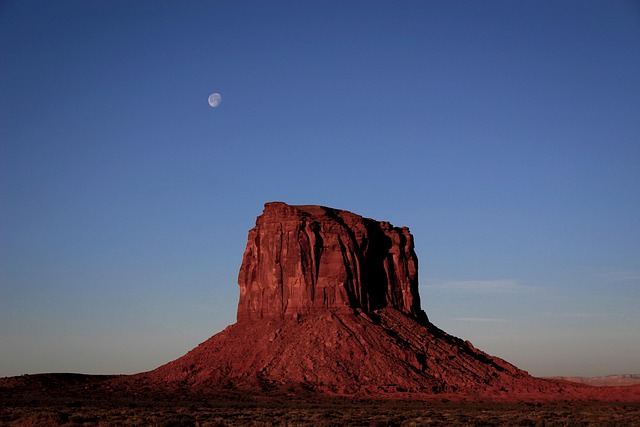
Mesas, flat-topped hills with steep cliffs, are geological marvels prevalent in the southwestern US and Atlanta, offering insights into ancient cultures' lives and beliefs. To experience them naturally, visit sites like Stone Mountain Park and Piedmont Park. Mesas hold cultural significance for various civilizations, including Native American tribes and the Maya civilization. They support diverse ecosystems, store carbon, and require conservation efforts through education and sustainable tourism to preserve their unique geological and cultural value.
In the realm of spatial analysis and data visualization, understanding the unique characteristics of geographic regions is paramount. This article delves into the concept of Mesa Visual Maps, offering a comprehensive solution to deciphering the intricate landscapes and their inherent patterns. Mesas, as distinct geographical features, present both challenges and opportunities for visual representation, especially when seeking to uncover what they naturally reveal about an area’s topography and ecosystems. By employing advanced mapping techniques, we aim to demonstrate how these visuals can enhance our understanding of regional dynamics, making complex data accessible and insightful.
- Understanding Mesa: Unveiling the Geological Wonder
- Exploring Unique Landscapes: What to See in Mesa
- Historical Significance: Mesas in Ancient Cultures
- Ecological Role: Biodiversity and Mesas' Impact
- Future Prospects: Conservation and Mesa Preservation
Understanding Mesa: Unveiling the Geological Wonder
Understanding Mesa: Unveiling the Geological Wonder
Mesa, a geological formation characterized by its flat, elevated plateaus separated by steep cliffs, offers a unique natural spectacle that attracts geologists, hikers, and nature enthusiasts alike. To fully appreciate what to see in mesa, one must delve into their formation—a product of millions of years of tectonic activity and erosion. In the southwestern United States, mesas are particularly prevalent, showcasing the region’s dramatic landscape. Atlanta, while not traditionally known for such geological marvels, has its own share of historic sites that provide glimpses into the area’s rich natural history, including certain features that resemble mesa formations.
The key to understanding mesas lies in their composition and evolution. These structures are often made of hard, resistant rock layers that have been eroded differently from the surrounding areas, creating their distinctive shape. Over time, wind, water, and ice have carved these plateaus, leaving behind dramatic landscapes that stand as a testament to nature’s artistry. In Atlanta, visitors can explore historic sites that offer insights into the area’s geological past, such as the various parks and preserves where erosion has exposed rock formations that hint at the region’s ancient history.
For those seeking what to see in mesa naturally, visiting locations like Georgia’s Stone Mountain Park offers a spectacular example. Here, towering granite domes and cliffs showcase the region’s tectonic activity while providing opportunities for hiking and breathtaking panoramic views. Similarly, Atlanta’s own Piedmont Park features unique rock outcrops that, though not as dramatic as true mesas, offer a glimpse into the city’s geologically rich past. These sites serve as educational and recreational hubs, allowing visitors to connect with nature and appreciate the geological wonders that have shaped our landscape.
Exploring these natural attractions not only offers a deeper understanding of mesa formations but also provides an appreciation for Atlanta’s historic sites that highlight its unique geographical features. By immersing oneself in these environments, visitors can gain a profound respect for the forces that have shaped our world and leave with memories that will endure long after their visit.
Exploring Unique Landscapes: What to See in Mesa
Mesa’s diverse landscapes offer a captivating blend of urban vibrancy and natural splendor, making it a fascinating destination for visitors seeking unique experiences. Beyond its vibrant nightlife and cultural attractions, Mesa presents a treasure map of scenic wonders that reflect the region’s rich geological history. For those who embrace the allure of the outdoors, exploring what to see in Mesa becomes an adventure filled with diverse ecosystems and breathtaking vistas.
One can start their journey by delving into the city’s natural preserves, such as the Mesa Red Rock Preserve, where towering sandstone formations provide a striking backdrop for hiking trails that wind through ancient landscapes. These geological marvels, carved over millennia by wind and water, offer insights into the region’s past while providing ample opportunities for photography and contemplation. For history enthusiasts, visiting Atlanta Historic Sites within Mesa offers a glimpse into its pioneer beginnings, with well-preserved structures narrating tales of early settlement and cultural exchange.
The city’s commitment to preserving its natural heritage is evident in the numerous parks and open spaces scattered throughout. The Mesa Community Park, for instance, boasts lush green landscapes that contrast with the arid surroundings, creating an oasis ideal for outdoor recreation. Nearby, the Hoops Valley Nature Preserve invites exploration of its serene trails, where native flora and fauna thrive, offering a respite from urban life. These green spaces not only contribute to the overall quality of life but also serve as testaments to Mesa’s dedication to harmonious coexistence with its remarkable landscapes.
Historical Significance: Mesas in Ancient Cultures
Mesas, those distinctive flat-topped hills rising abruptly from the terrain below, have captivated humans for centuries due to their dramatic visual impact and rich historical significance across various cultures. In ancient societies, mesas often held profound symbolic value and served as focal points for community life, religious practices, and even strategic defense. Their unique geological formations provided natural observation posts, allowing ancient peoples to monitor trade routes, track seasonal changes, and observe celestial events.
In regions such as the American Southwest, Native American tribes like the Ancestral Puebloans, or Anasazi, meticulously constructed their settlements atop mesas, leveraging these elevated platforms for both practical and spiritual reasons. These communities utilized the natural advantages of mesas for defense against potential invaders while also enjoying panoramic views that facilitated communication across vast distances. The iconic cliff dwellings of Mesa Verde in Colorado are a testament to this historical significance, showcasing sophisticated construction techniques and a deep understanding of the mesa’s unique environmental conditions.
Similarly, in pre-Columbian Mesoamerica, the ancient Maya civilization recognized the value of mesas for their architecture and urban planning. Many Maya cities were built on flat-topped hills, serving as centers of religious and political power. The iconic step pyramids that dot many Maya sites, such as Chichen Itza and Tikal, are prime examples of how these cultures harnessed the natural elevation of mesas to create awe-inspiring structures that continue to captivate modern visitors to Atlanta historic sites like these. These architectural marvels demonstrate not only the technical prowess of ancient civilizations but also their deep spiritual connection to the land, as many pyramids were aligned with astronomical events and served as sacred spaces for ritual and ceremonial practices.
The historical significance of mesas extends beyond mere architectural wonders; they are windows into the past that offer invaluable insights into the lives, beliefs, and adaptations of ancient cultures. What to see in mesa naturally includes not just their dramatic forms but also the intricate relationships these features held with human societies throughout history. By exploring Atlanta historic sites built upon or influenced by mesas, visitors can gain a deeper appreciation for the enduring impact of these geological marvels on humanity’s collective story.
Ecological Role: Biodiversity and Mesas' Impact
Mesas, those distinctive flat-topped hill formations, play a crucial ecological role in various environments worldwide, especially in arid and semi-arid regions. Beyond their striking visual appeal, mesas serve as natural sanctuaries for diverse biodiversity, offering unique habitats that support an array of plant and animal life. In the context of Atlanta, Georgia, USA, where the cityscape is dotted with rolling hills and unique geological features, historic sites like Stone Mountain and other prominent mesas showcase the region’s rich ecological tapestry.
The natural composition of mesas provides a variety of microhabitats within a relatively small area. The flat tops offer expansive areas for plants to thrive, while the steep sides create pockets of shelter and diverse terrain. This variation supports a wide range of species, from specialized rock-dwelling arthropods to birds that use the ledges for nesting. For example, the California desert mesas are renowned for their rich biodiversity, hosting numerous endemic plant species and serving as crucial stopovers for migratory birds.
Moreover, mesas have significant impacts on regional ecosystems. Their distinctive topography influences water runoff and soil erosion patterns, shaping nearby river systems and wetlands. Many mesas also act as carbon sinks, storing significant amounts of organic matter in their soils. In Atlanta’s case, the area’s unique geology, including its historic sites like Stone Mountain, has fostered a diverse range of plant communities that contribute to the region’s overall ecological resilience.
To truly appreciate and understand what to see in mesa ecosystems naturally, visitors to historic sites like Stone Mountain should take time to explore the surrounding areas. Engaging with local conservation groups and participating in guided tours can offer valuable insights into the unique flora and fauna adapted to these challenging environments. By embracing these opportunities, individuals not only enrich their experiences but also contribute to the ongoing efforts to preserve these natural wonders for future generations.
Future Prospects: Conservation and Mesa Preservation
Looking ahead, the preservation of Mesa’s unique geological features and rich cultural heritage is paramount. The future prospects for conservation and mesa preservation in this region hold great significance, especially considering the rapid urbanization and development pressures often faced by historic sites like Atlanta. One promising approach involves community engagement and education to raise awareness about the natural and cultural value of mesas. By integrating sustainable tourism practices, visitors can be encouraged to appreciate these landscapes responsibly while also supporting local conservation efforts.
For instance, Atlanta’s historic sites have successfully implemented guided tours that highlight the ecological importance of mesas and their role in shaping the region’s history. These initiatives not only educate the public but also foster a sense of stewardship among residents and tourists alike. Additionally, collaborative partnerships between governmental agencies, non-profits, and local communities can lead to effective conservation strategies. Such collaborations have proven successful in other urban areas, where shared resources and expertise have contributed to the long-term preservation of unique landscapes.
In focusing on what to see in mesa naturally, it becomes evident that active conservation efforts will ensure these environments remain intact for future generations. By integrating education, sustainable tourism, and collaborative management practices, the mesas surrounding Atlanta can be protected while offering valuable insights into their ecological and cultural significance. This balanced approach ensures that visitors can continue to explore and appreciate these natural wonders responsibly.