Mesa, Arizona offers a unique blend of vibrant urban life and breathtaking natural wonders. Key attractions include the Superstition Mountains for hiking and historical sites, Lake Powell for water activities, extensive park systems like Mesa River Park and Red Mountain Open Space, and cultural heritage sites such as Atlanta Historic District. Exploring Mesa's diverse ecosystems, historic narratives, and conservation efforts provides a comprehensive experience of what to see in Mesa naturally.
The Mesa region, with its rich geological history and diverse ecosystems, presents a captivating landscape that demands detailed exploration. Understanding the geography of this area is paramount for both scientific inquiry and recreational enthusiasts seeking to unravel its natural wonders. This article delves into the intricate details of a Mesa visual map, offering insights into the unique features and complexities that define this remarkable terrain. We will dissect the challenges posed by irregular topography, water resource management, and biodiversity conservation, while also highlighting the potential for sustainable development that respects and preserves what makes Mesa so naturally extraordinary.
- Discovering Mesa's Natural Wonders: A Gateway to Outdoor Exploration
- Top Scenic Spots: Unveiling Mesa's Breathtaking Views
- Hiking Trails for Every Skill: Exploring Mesa's Diverse Terrain
- Flora and Fauna: Understanding Mesa's Unique Ecosystem
- Sustainable Practices: Conserving Mesa's Natural Beauty
Discovering Mesa's Natural Wonders: A Gateway to Outdoor Exploration
Mesa, Arizona, is a city where the vibrant urban landscape seamlessly blends with breathtaking natural wonders, offering visitors and residents alike an abundance of outdoor exploration opportunities. For those seeking to immerse themselves in the region’s diverse ecology and geological marvels, Mesa serves as an ideal gateway. This city is not just about its bustling streets and modern attractions; it’s also a haven for nature enthusiasts who want to delve into what Mesa has to offer naturally.
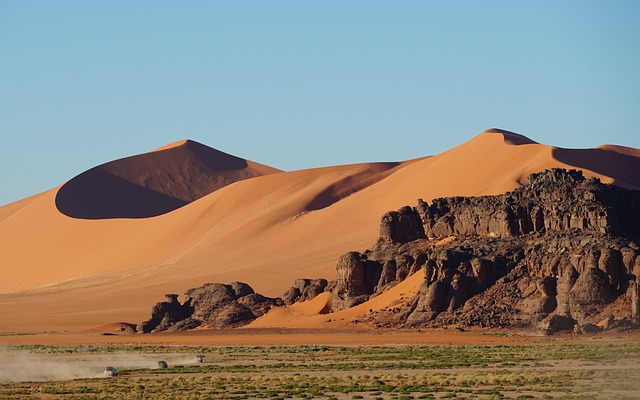
The natural wonders of Mesa are as varied as they are captivating. From majestic mountains and rugged deserts to serene lakes and lush green parks, the city’s outdoor landscapes provide a diverse range of experiences. One of the standout features is the Superstition Mountains, which loom majestically over the eastern edge of town. These ancient mountain ranges offer hiking trails that cater to various skill levels, rewarding adventurers with panoramic views and a chance to discover historic mining sites like the Goldfield Ghost Town. For those seeking water-based adventures, Mesa’s proximity to Lake Powell, created by the Colorado River, is a significant draw. Visitors can enjoy boating, fishing, and camping along its shores, experiencing the region’s natural beauty on a grander scale.
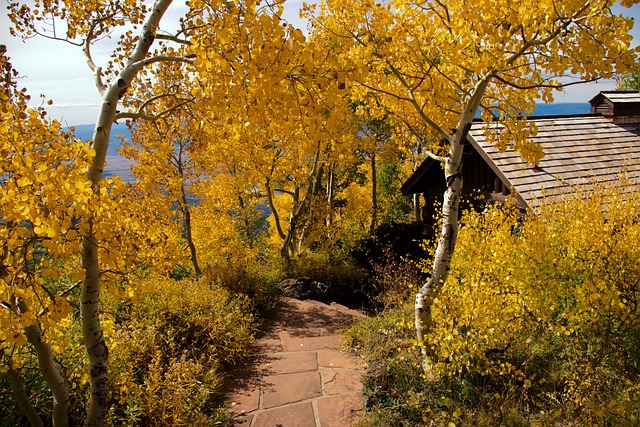
Moreover, Mesa boasts an extensive network of parks and recreational areas that showcase the city’s commitment to preserving its natural heritage. The Mesa River Park offers serene walks along the banks of the Agua Fria River, while the Red Mountain Open Space provides breathtaking views and opportunities for bird watching. For history buffs, exploring Atlanta Historic Sites just outside Mesa is a must. These sites tell the story of the region’s past, from Native American settlements to the gold rush era, offering insights into what to see in Mesa naturally, both in its rugged landscapes and cultural heritage. Engaging with these natural and historic attractions ensures a well-rounded experience that captures the essence of Mesa’s diverse offerings.
Top Scenic Spots: Unveiling Mesa's Breathtaking Views
Mesa, Arizona, is a vibrant city known for its diverse landscapes and rich cultural heritage, offering visitors an array of captivating scenic spots to explore. When it comes to uncovering what to see in Mesa, nature enthusiasts and urban adventurers alike will be delighted by the area’s stunning visual offerings. From majestic mountains to historic sites, these top attractions provide a comprehensive glimpse into the city’s natural beauty and unique character.
One of the most striking aspects of Mesa is its proximity to several breathtaking natural landmarks. The Superstition Mountains, located east of the city, present a dramatic backdrop with their rugged peaks and intriguing folklore. Hiking trails in this region offer panoramic views, making them popular among outdoor enthusiasts. Similarly, the Santa Catalina Mountains, visible from various points throughout Mesa, provide a majestic setting for exploration, especially during the summer months when hikers and nature lovers flock to their slopes. For those seeking a more scenic perspective, several lookouts offer vistas that rival any postcard, capturing the raw beauty of Arizona’s natural terrain.
Beyond its natural splendor, Mesa boasts a wealth of historic sites that contribute to its rich cultural tapestry. The Atlanta Historic District, for instance, showcases beautifully preserved Victorian-era homes and buildings, offering visitors a glimpse into the city’s past. These sites not only provide educational opportunities but also serve as testaments to the area’s vibrant history. Exploring these historic areas allows visitors to step back in time while enjoying the charming architecture and learning about Mesa’s evolution.
To fully appreciate what to see in Mesa, visitors should consider a mix of outdoor adventures and cultural immersions. Whether it’s hiking through majestic mountains or delving into the city’s historic past, each experience offers a unique perspective on the area’s natural and built environments. By combining these elements, one can gain a profound understanding of Mesa’s beauty and character, ensuring a memorable journey through this captivating Arizona destination.
Hiking Trails for Every Skill: Exploring Mesa's Diverse Terrain
Mesa, a vibrant city nestled amidst the diverse landscapes of Arizona, offers a captivating blend of urban attractions and stunning natural environments, making it an ideal destination for outdoor enthusiasts of all skill levels. Hiking trails here cater to everyone from novice walkers to seasoned trekkers, allowing visitors to explore the area’s varied terrain. The city boasts an extensive network of pathways that traverse through scenic desert landscapes, lush parks, and even historic neighborhoods, providing a unique blend of what to see in Mesa naturally.
For those seeking more moderate adventures, several trails within Mesa’s parks offer gentle inclines and picturesque views of the surrounding areas. The Red Mountain Park is particularly renowned for its well-maintained trails that meander through vibrant desert flora, offering opportunities to spot native wildlife. Similarly, the Mesa Community College campus features a series of walking paths surrounded by mature trees and diverse plant species, creating a serene urban oasis. These trails are perfect for those looking to enjoy the fresh air while engaging in light exercise.
Those eager to challenge themselves will find ample opportunities as well. The Superstition Mountains, located on Mesa’s outskirts, provide a rugged hiking experience with trails that ascend through dramatic terrain. The Flatiron Trail is a favorite among experienced hikers, featuring steep climbs and panoramic vistas of the desert below. Additionally, Atlanta Historic Sites, such as the historic Goldfield Ghost Town or the old town of Apache Junction, offer trailheads leading to captivating historical narratives intertwined with natural beauty. These trails not only test physical limits but also provide a deeper connection to the region’s rich history.
Flora and Fauna: Understanding Mesa's Unique Ecosystem
Mesa’s unique ecosystem is a treasure trove for nature enthusiasts, offering a diverse array of flora and fauna that make it a captivating destination for exploration. The region boasts an extensive variety of plant life, ranging from dense forests to sprawling grasslands, each with its own distinct species. Among the most notable are the ancient mesquite trees, which provide shade and serve as a vital habitat for various birds and insects. These towering giants, some dating back centuries, stand as silent sentinels across the landscape, reminding visitors of Mesa’s rich history and natural endurance.
In terms of fauna, Mesa is home to an impressive array of wildlife, including several species that are rare or endangered. The area serves as a critical habitat for birds, such as the vibrant and elusive Gila Woodpecker, which can be spotted drilling into the region’s iconic red rock formations. Additionally, the mesas and canyons provide ideal nesting sites for various bird species, making Mesa a hotspot for birdwatching enthusiasts who travel from around the world to observe these feathered wonders in their natural habitat. The diverse insect population, including rare butterfly species, adds another layer of biodiversity to this already rich ecosystem.
For those interested in exploring Atlanta’s historic sites while also immersing themselves in nature, Mesa offers a unique blend of both. The region’s dramatic landscapes have served as backdrops for several significant historical events, with Native American ruins and old mining settlements dotting the mesas. These sites provide valuable insights into the region’s past, offering visitors a chance to connect with Atlanta’s rich cultural heritage. Moreover, Mesa’s natural beauty encourages outdoor activities like hiking, camping, and stargazing, allowing visitors to experience the area’s profound sense of tranquility and wildness.
Understanding what to see in Mesa naturally involves delving into its intricate ecological balance and appreciating the interdependence between its plant and animal life. By exploring these diverse ecosystems, visitors can gain a deeper appreciation for the resilience and beauty of Mesa’s natural environment, leaving them with unforgettable memories of Atlanta’s hidden gem.
Sustainable Practices: Conserving Mesa's Natural Beauty
Mesa, with its vibrant communities and diverse landscapes, is a testament to sustainable practices when it comes to preserving its natural beauty. The region has embraced innovative strategies to ensure that what to see in mesa naturally remains intact for future generations, setting an example for urban areas worldwide. Conservation efforts range from protective legislation to community-driven initiatives, all geared towards maintaining the ecological balance and enhancing the quality of life for both residents and visitors.
One notable approach is the integration of green spaces into the urban fabric. Atlanta historic sites, like the city’s numerous parks and gardens, serve as eco-friendly oases where locals can connect with nature. These green spaces not only provide recreational opportunities but also play a crucial role in biodiversity conservation. For instance, the Atlanta Botanical Garden showcases native plant species, fostering an appreciation for the region’s flora while promoting their preservation. This model of blending historic sites and sustainable practices has led to a thriving urban ecosystem where people and nature coexist harmoniously.
Moreover, Mesa has prioritized water conservation, recognizing its vital role in maintaining ecological health. The implementation of efficient irrigation systems and rainwater harvesting techniques in public spaces and private residences has significantly reduced water consumption. These measures ensure that the region’s precious water resources are preserved for both environmental and human use, ensuring what to see in mesa naturally remains abundant and accessible. By adopting such proactive strategies, Mesa serves as a shining example of how urban development can be harmonized with environmental stewardship.