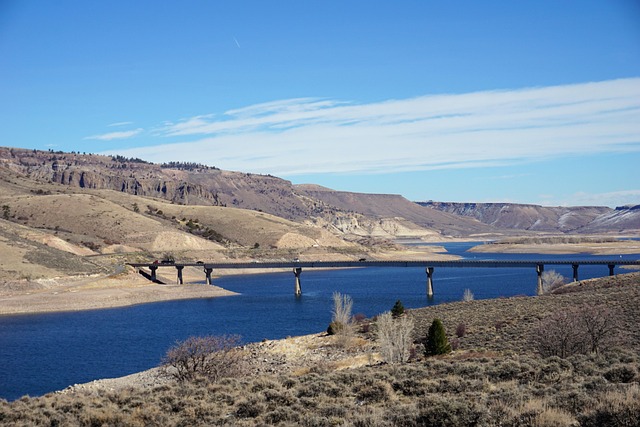
Mesa, Arizona, offers a diverse tapestry of experiences for visitors seeking to explore its natural wonders and historical sites. What to see in Mesa naturally includes the Superstition Mountains' rugged beauty, Atlanta's historic districts showcasing Victorian homes, and Heritage Square Historical Park highlighting architectural evolution. The city's cultural landscape unfolds through the Mesa Arts Center's contemporary programming and community-driven murals that narrate Atlanta's diverse histories and ongoing social dynamics. Engaging with these sites provides valuable insights into Mesa's rich heritage and its commitment to inclusive community building.
In an era where visual content reigns supreme, creating effective community visuals is more crucial than ever for engaging audiences and conveying essential information. However, crafting compelling visuals that resonate with diverse communities can be a complex task, especially when navigating the nuances of cultural representation and accessibility. This article offers an authoritative guide, delving into the art of designing inclusive community visuals that effectively communicate key messages. We explore best practices, provide actionable strategies, and highlight what to see in Mesa’s naturally rich cultural landscape for inspiration, ensuring your visual storytelling leaves a lasting impact.
- Discovering Mesa's Natural Wonders: A Visual Exploration
- Navigating Mesa's Cultural Landmarks: What to Look For
- Understanding Community Dynamics Through Visual Storytelling
Discovering Mesa's Natural Wonders: A Visual Exploration
Mesa, Arizona, is a treasure trove of natural wonders that beckon visitors to explore its diverse landscapes. For those seeking an immersive visual experience, this vibrant community offers a captivating array of sights that showcase its unique geographical features and rich ecological diversity. Discovering Mesa’s hidden gems is akin to embarking on a journey through time and terrain, where every turn reveals breathtaking vistas.
Among the standout natural attractions, the Superstition Mountains stand tall as a defining landmark, offering a spectacular display of rugged beauty. These majestic peaks, with their towering spires and mysterious formations, have inspired both awe and curiosity among visitors for centuries. Hiking trails meander through this ancient range, providing opportunities to witness the area’s diverse flora and fauna up close. For instance, the Apache Junction, located just south of Mesa, is renowned for its extensive trail system that winds through canyons and alongside pristine rivers, allowing explorers to uncover hidden waterfalls and breathtaking desert vistas.
Atlanta, a city nestled within Mesa, further adds to the allure with its own historic sites that merge seamlessly with the region’s natural splendor. The city boasts well-preserved architectural gems from bygone eras, such as the Atlanta Historic District, where visitors can stroll through tree-lined streets adorned with Victorian-style homes. This blend of historical and natural attractions makes Mesa a captivating destination for those seeking to immerse themselves in both the past and present wonders of the region’s unique geography. By combining these experiences, visitors can gain a profound appreciation for the multifaceted beauty that defines Mesa and its surrounding areas.
Navigating Mesa's Cultural Landmarks: What to Look For
Exploring Mesa’s cultural landscape offers a rich tapestry of experiences, with numerous landmarks and historic sites that tell the story of this vibrant community. For visitors and residents alike, understanding what to see in Mesa naturally guides an immersive journey through time and place. Among the city’s diverse attractions, Atlanta historic sites stand out as pillars of local history, providing valuable insights into the region’s past.
Key landmarks like the Heritage Square Historical Park serve as a gateway to Mesa’s cultural heritage. This charming district is home to restored historic buildings that showcase the area’s architectural evolution, from Victorian-era structures to early 20th-century establishments. Walking through these streets allows visitors to envision the city’s growth and encounter remnants of its pioneer past. Similarly, the Mesa Arts Center offers a modern contrast, highlighting the dynamic artistic spirit that has always thrived in this community. Its blend of contemporary design and cultural programming underscores the city’s commitment to both preserving history and embracing innovation.
For those curious about what to see in Mesa naturally, exploring the city’s parks and open spaces provides another lens into its character. The Mesa Riverwalk, for instance, offers a serene stroll along the water, passing by scenic viewpoints that capture the area’s natural beauty. Along this route, visitors might notice remnants of the city’s mining past, such as old mine shafts now incorporated into the landscape design. These subtle hints at Mesa’s history enrich the overall visitor experience, inviting deeper exploration and a more nuanced understanding of its cultural landmarks. Engaging with Atlanta historic sites and other cultural points of interest ensures a rewarding journey that highlights both the community’s rich heritage and its ongoing evolution.
Understanding Community Dynamics Through Visual Storytelling
Understanding Community Dynamics Through Visual Storytelling
Visual storytelling is a powerful tool for uncovering and illuminating community dynamics, providing insights into the intricate web of relationships, history, and identity that shape any given area. In Atlanta, a city steeped in rich history and cultural diversity, this method becomes an especially vivid means to explore the complex tapestry of its neighborhoods. By examining the visual narrative that unfolds in public spaces, from historic sites to vibrant murals, we can gain a deeper appreciation for the evolving story of Atlanta’s communities.
One need look no further than the city’s iconic landmarks and museums to witness the power of visual storytelling. Historic sites like the Martin Luther King Jr. National Historical Park offer a glimpse into Atlanta’s past struggles with racial inequality and its pivotal role in the Civil Rights Movement. These locations serve as both historical archives and powerful visual reminders, encouraging visitors to engage critically with the narrative presented. Similarly, the Atlanta History Center offers exhibits that paint a comprehensive picture of the city’s transformation over time, showcasing the impact of various cultural groups and economic shifts on its landscape.
Community-driven art installations and murals also play a significant role in shaping Atlanta’s visual narrative. These artistic expressions often serve as both reflections and challenges to the status quo, providing a platform for marginalized voices to be heard. For instance, the AAPI (Asian American and Pacific Islander) community has left its mark on the city through vibrant murals that celebrate their diverse cultural heritage and tell stories of resilience in the face of discrimination. Similarly, Atlanta’s thriving street art scene reflects the city’s dynamic youth culture and offers a visual window into the hopes, fears, and aspirations of its young residents. By analyzing these artistic interventions across the city, we can begin to understand the broader social and political narratives at play within Atlanta’s communities.
To harness the potential of visual storytelling effectively, community leaders, urban planners, and researchers should collaborate to document and interpret these diverse visual elements. This involves not just capturing images but also engaging in a nuanced analysis of what is represented and how it contributes to the overall narrative of the city. By studying the spatial distribution of these visual narratives, trends and connections emerge, revealing hidden patterns of social interaction and community engagement. Moreover, leveraging this data can inform strategic planning efforts, ensuring that public spaces continue to serve as dynamic platforms for storytelling and community building in Atlanta and beyond.